
The allure of chance
The psychological allure of casino games is intricately tied to the element of chance. Players are often drawn to the thrill of uncertainty, where the outcome is unpredictable. This randomness can trigger the brain’s reward system, releasing dopamine, a neurotransmitter associated with pleasure and reinforcement. When players experience a win, however small, it enhances their anticipation for the next game, binding them into a cycle of play. This connection between risk and reward is a fundamental aspect of the gaming experience, compelling individuals to engage in games like casino rocket where the outcomes are often based solely on luck.
Moreover, the concept of chance plays with cognitive biases that influence decision-making. Players often believe they have a better understanding of risk than they truly do. Gamblers may exhibit an illusion of control, thinking that their actions can influence the game, even in games dictated entirely by luck. This misperception can lead players to chase their losses or overestimate their chances, further entrenching them within the gaming environment. Thus, the addictive nature of casino games can often stem from a combination of excitement rooted in randomness and cognitive distortions that enhance engagement.
Additionally, the environment in which casino games are played adds another layer to the psychological allure. The lights, sounds, and overall ambiance of casinos are deliberately designed to create sensory experiences that heighten excitement. These stimuli can evoke feelings of nostalgia and happiness, forging an emotional connection that can lead to prolonged play. Thus, the combination of the thrill of chance and the carefully crafted casino atmosphere makes for a potent psychological cocktail that keeps players coming back for more.
Addiction and reinforcement
Addiction to casino games can often be understood through the lens of reinforcement psychology. When players win, whether it’s a jackpot or a small payout, they experience a burst of reward that encourages them to continue playing. This intermittent reinforcement, where rewards are unpredictable, can be more effective than a steady reward system in keeping players engaged. The thrill of the next potential win can overshadow the losses incurred, resulting in a cycle of gambling behavior that is hard to break.
The neurobiological basis of gambling addiction involves changes in brain chemistry, particularly concerning dopamine pathways. Over time, as players seek bigger wins to achieve the same euphoric feeling, they may increase their bets or play for longer durations. This escalation can lead to a detrimental cycle where the need to gamble becomes a compulsive behavior. Understanding this dynamic is crucial for recognizing the signs of addiction and the psychological traps that can ensnare even casual gamblers.
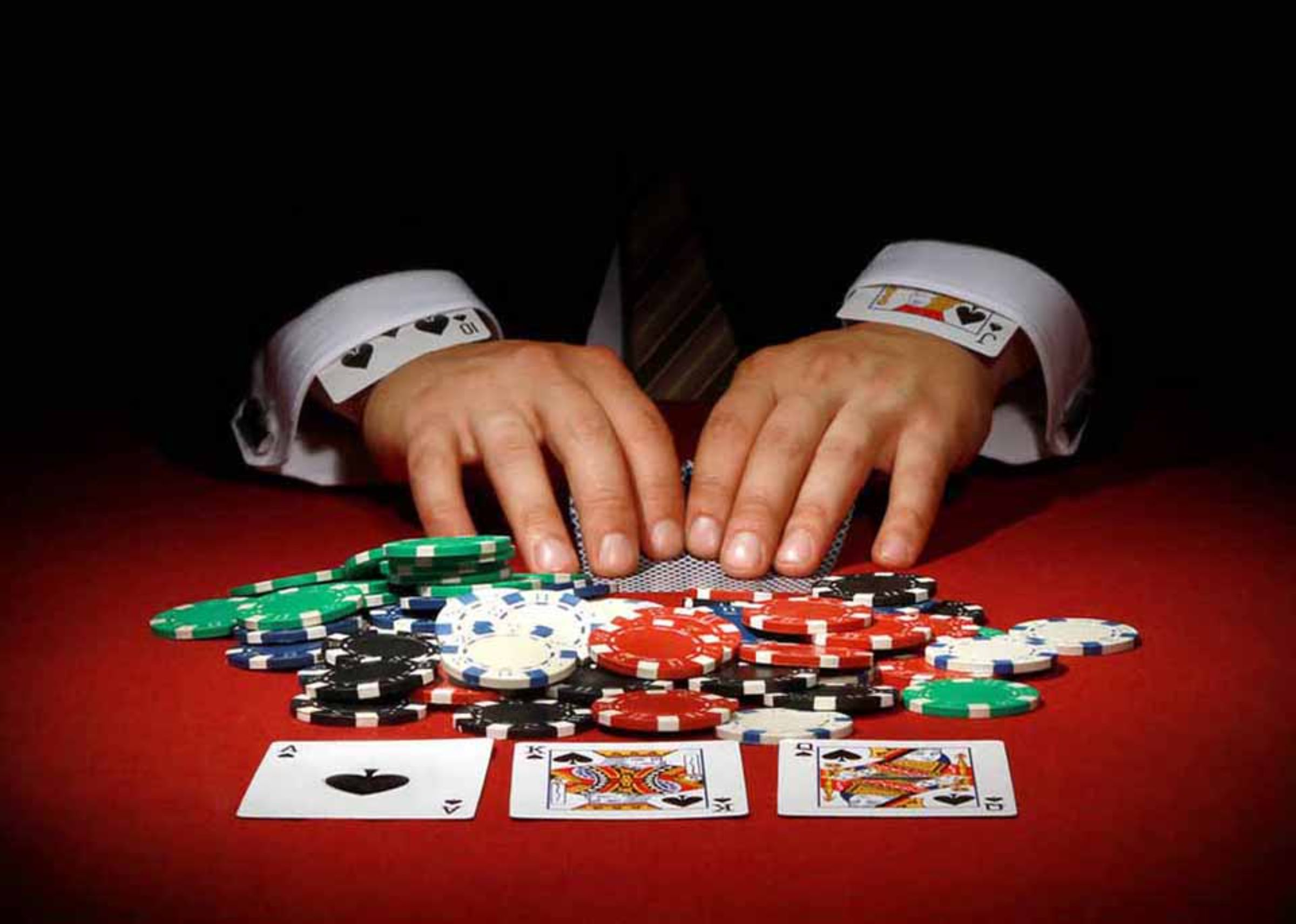
Furthermore, environmental factors play a significant role in gambling addiction. Casinos often implement techniques such as free drinks or rewards programs that encourage extended play. These perks can create a sense of loyalty and belonging, making it easier for players to overlook their losses. By understanding the intricate relationship between reinforcement, addiction, and environment, we gain a clearer perspective on why some individuals find it challenging to walk away from casino games.
The role of social dynamics
The social dynamics surrounding casino gaming can significantly influence the psychological experience of players. Social interactions within the gaming space can enhance the excitement and allure of gambling. Whether it’s the camaraderie built around a table or the competitive spirit that arises during games, these interactions can create an engaging atmosphere that magnifies the thrill of play. This social component not only brings people together but also heightens individual experiences, as players often share their successes and failures, creating a sense of community.
Moreover, social proof can play a pivotal role in gambling behavior. Observing others winning or enjoying their time can create a desire to emulate that experience. If a player sees friends or fellow gamers winning, they may feel compelled to join in. This can lead to increased investment both financially and emotionally, as the desire to be part of a communal experience drives gambling choices. In many ways, the casino becomes a social hub where the lines between socializing and gambling blur, making it difficult for individuals to discern their motivations for playing.
Additionally, the impact of competition cannot be overlooked. Many people are motivated by the desire to outperform others, which can drive them to take greater risks. The stakes rise as players challenge their peers, pushing the boundaries of their gambling habits. This competitive nature can foster an environment where reckless behavior becomes more commonplace, significantly impacting the psychological landscape of casino gaming. By understanding the social dynamics at play, we can better grasp how they contribute to the overall allure and risks associated with casino games.
The importance of game design
The design of casino games is meticulously crafted to enhance player engagement and prolong gameplay. Game mechanics such as “near misses” and “losses disguised as wins” cleverly manipulate player psychology. For example, when players almost win, it can create a false sense of achievement that encourages them to keep playing. These strategic designs tap into the psychology of hope and anticipation, making players believe they are on the verge of a significant victory, even when the odds are not in their favor.

Furthermore, the aesthetics of the games—color choices, sound effects, and user interfaces—are all intentional features aimed at captivating players. Research shows that colors like red and gold can evoke feelings of excitement and urgency, making them popular choices in game design. Sound cues, such as the noise associated with a slot machine winning, trigger emotional responses that align with winning, reinforcing the desire to play. Together, these design elements create an immersive experience that heightens emotional engagement and encourages repeated play.
Lastly, the categorization of games into various themes and narratives contributes to their psychological appeal. Players often find themselves drawn to specific themes, whether it’s adventure, fantasy, or classic casino motifs. This emotional connection can lead to invested play as individuals seek to escape into the worlds created by these games. The combination of strategic design, immersive environments, and thematic elements makes casino games an excellent playground for exploring human psychology and behavior.
Insights and resources for responsible gaming
Understanding the psychology behind casino games is essential for anyone interested in the gaming industry, whether from a player’s perspective or a business standpoint. The intricate relationship between chance, addiction, social interaction, and game design plays a pivotal role in shaping players’ experiences and behaviors. By recognizing these factors, individuals can make more informed decisions regarding their gaming habits, while the industry can better address responsible gambling practices.
For those looking to delve deeper into the psychology of gaming, this website serves as a valuable resource. It offers insights, research, and information on responsible gaming practices that can benefit both players and operators alike. Whether you are a casual player or an industry expert, there is something here for everyone to understand the complexities of casino gaming.
Additionally, this platform provides tools and tips for setting limits, recognizing signs of gambling addiction, and finding support. Engaging with this resource can empower players to enjoy gaming responsibly while still reaping the entertainment value that casino games offer. Ultimately, fostering a healthy gaming environment is crucial for maintaining the balance between enjoyment and responsibility in the world of gambling.
